Summary
Chapter 1: The Four Levels of Existence
📖 Mini-story recap
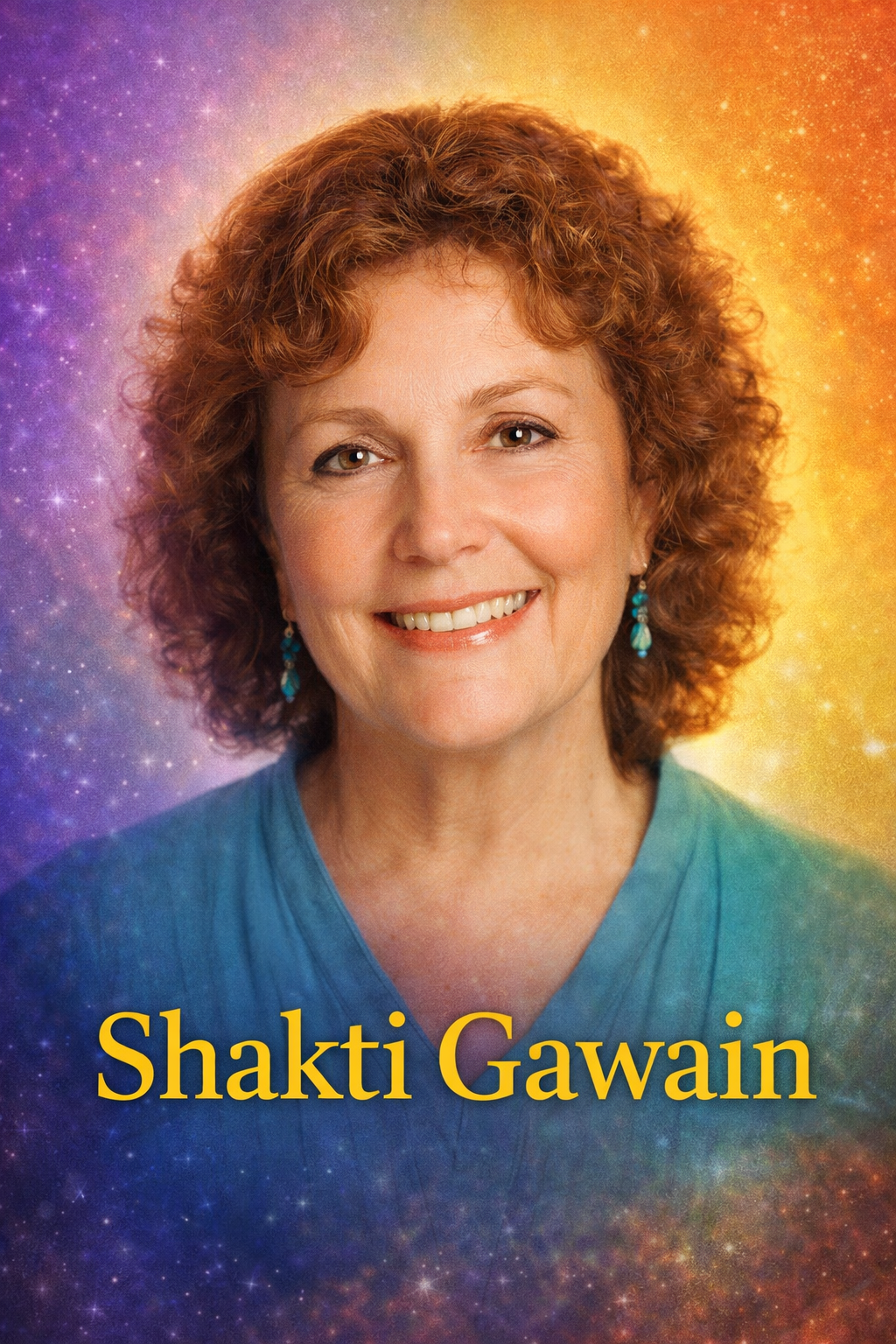
Shakti opens with her personal journey—raised in an intellectual, atheist household, she grew mentally but lacked spiritual grounding. Her dance classes awakened her physical self, later spiritual exploration brought balance, and emotional healing came last. Today, she actively integrates all four levels—spiritual, mental, emotional, physical—into her daily life.
🧠 Key insight / mindset shift
You are a whole being made of four distinct but interconnected levels: spiritual (your essence), mental (your beliefs), emotional (your heart), and physical (your body and material world). Imbalance in one affects all.
✅ Exact instructions
- Reflect honestly: Which levels have you nurtured? Which are wounded or underdeveloped?
- Healing begins wherever you feel most called—start where you are.
- There’s no right order or timeline.
🔑 Pointers for action
- Journal your self-assessment in four categories: Spiritual, Mental, Emotional, Physical.
- Identify which aspect feels weakest or most in pain—start there.
- Begin small daily habits that address the neglected level.
Chapter 2: Healing the Spiritual Level
📖 Mini-story recap
Shakti describes how disconnection from spirit leads to emptiness, addiction, and even global crises. She explains how her spiritual awakening unfolded through meditation, nature, and inner guidance. Many awakenings happen during crises, or in peaceful solitude.
🧠 Key insight / mindset shift
Spiritual healing isn’t religion—it’s reconnection to your essence. True fulfillment begins when you stop seeking outside and start listening within.
✅ Exact instructions
- Find a spiritual practice that works for you: meditation, nature walks, prayer, movement, or creative expression.
- Practice simply being—without distraction, achievement, or entertainment.
- Try her Spiritual Guidance Meditation to connect with your inner voice.
🔑 Pointers for action
- Create a quiet “spiritual corner” at home for reflection or meditation.
- Go on regular solo nature walks or silent retreats (even a 1-hour break).
- Try spiritual journaling: Ask, “What does my spirit want me to know today?”
Chapter 3: Healing the Mental Level
📖 Mini-story recap
Shakti shares how her belief that she lacked control over life limited her until she discovered the empowering idea that we create our own reality. Letting go of limiting beliefs led her to a more fulfilling career without needing further degrees.
🧠 Key insight / mindset shift
Your thoughts shape your world—but first, you must become aware of them. Most limiting beliefs are inherited or unconscious.
✅ Exact instructions
- Observe and write down repetitive thoughts or self-talk.
- Identify old “inner rules” (like: “Work before play” or “Don’t show emotions”) using her journaling exercise.
- Replace limiting beliefs with empowering new ones using the New Beliefs Meditation.
🔑 Pointers for action
- Choose one limiting rule to rewrite today.
- Read books or talk to people with different perspectives.
- Practice noticing your “inner critic” and counter it with self-compassion.
Chapter 4: Healing the Emotional Level
📖 Mini-story recap
Shakti reveals how even the most “enlightened” people often avoid emotional healing. Society teaches us to suppress our emotions, labeling them as weakness. She recalls how a friend’s mother told him not to cry at his father’s funeral, equating emotion with failure. Shakti challenges this deeply embedded belief by explaining how honoring our emotions can actually unlock deep healing.
🧠 Key insight / mindset shift
Emotions are not the enemy. They are messages from within. When suppressed, they fester and cause disease. When expressed safely, they heal. Emotional balance is not about denying sadness, fear, or anger—it’s about accepting and understanding them.
✅ Exact instructions
- Differentiate thought from feeling. If you say “I feel like she’s being unfair,” rephrase it: “I feel hurt, angry, or confused.” Name the actual emotion.
- Allow all emotions to exist without judgment. Ask: What is this feeling trying to tell me?
- Express emotions in healthy, non-destructive ways—writing, movement, talking to a safe friend, or working with a therapist.
- If you’re overwhelmed by emotions, ground yourself through breathing, meditation, or physical movement.
🔑 Pointers for action
- Set a “feeling timer” each day: spend 5 minutes tuning into your emotional state and journaling it honestly.
- If you were raised to suppress feelings, affirm daily: “All my feelings are valid and deserve space.”
- Learn to “ride the wave” of strong emotions—trust they will pass like a storm.
- Practice the emotional release process: Feel → Name → Express safely → Reflect → Let go.
Chapter 5: Healing the Physical Level
📖 Mini-story recap
Shakti describes how even spiritual or intellectual people often neglect their physical bodies. She shares stories of friends who were highly evolved mentally or emotionally but suffered poor health due to disconnection from their bodies. She herself once overworked until a physical collapse forced her to listen. That crisis became a turning point.
🧠 Key insight / mindset shift
Your body is not just a shell—it’s the home of your soul. Ignoring your body causes pain in all areas. True healing must involve nurturing, respecting, and listening to your physical self.
✅ Exact instructions
- Tune in to your body’s signals daily: fatigue, cravings, tension, or energy surges are clues.
- Move your body regularly in ways you enjoy: yoga, dancing, walking, or swimming.
- Eat fresh, nourishing food and listen to your body’s hunger/satiety cues.
- Rest deeply. Sleep and relaxation are healing acts, not laziness.
- Seek holistic practices like massage, acupuncture, nature walks, or breathwork.
🔑 Pointers for action
- Create a “body joy list”: activities that make your body feel alive and appreciated. Do at least one daily.
- Ask your body every morning: “What do you need from me today?” Then listen and act.
- Replace guilt-driven workouts with joy-driven movement.
- Simplify your lifestyle to reduce physical burnout. Rest before you break down.
Chapter 6: Integration and Balance
📖 Mini-story recap
After years of teaching, traveling, and healing herself, Shakti realized that true peace doesn’t come from mastering one level—it comes from integrating all four. She met people who excelled spiritually but were physically sick, and others who were emotionally expressive but lacked mental clarity. The happiest ones worked on all levels harmoniously.
🧠 Key insight / mindset shift
Healing is not linear. It’s circular and dynamic. One day you may need emotional release, the next, physical rest. Integration is about becoming whole—not perfect, but balanced.
✅ Exact instructions
- Don’t obsess over perfect balance. Instead, notice which level is craving attention.
- Build weekly rituals that include all four levels:
- Spiritual: meditation, solitude
- Mental: learning, journaling
- Emotional: sharing, therapy, self-reflection
- Physical: exercise, healthy food, body care
- Make room for silence and spontaneity—this is where integration often happens.
🔑 Pointers for action
- Create a “Four Levels Self-Care Map”. Under each category (Spiritual, Mental, Emotional, Physical), list 3 go-to practices.
- Check in weekly: Which level feels full? Which feels empty? Then adjust.
- Drop perfection. Your balance will look different each day—and that’s okay.
- Celebrate small steps toward wholeness.
About Author