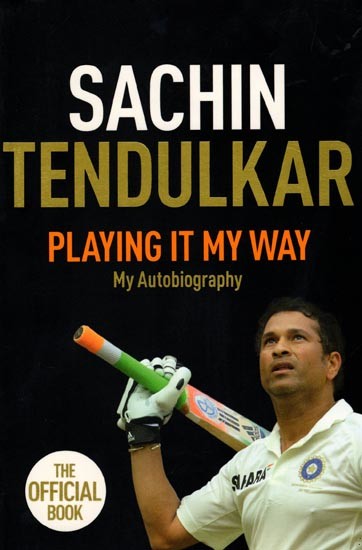
Summary
Chapter 1: Childhood
Sachin Tendulkar begins this chapter by grounding his life philosophy in his father’s words. He recalls being repeatedly reminded that life, like a book, has many chapters, and that cricket, no matter how important, would only be one part of it. His father emphasized humility, balance, and the importance of being remembered as a good human being rather than just a great cricketer. These lessons, Tendulkar explains, shaped the values he carried throughout his life.
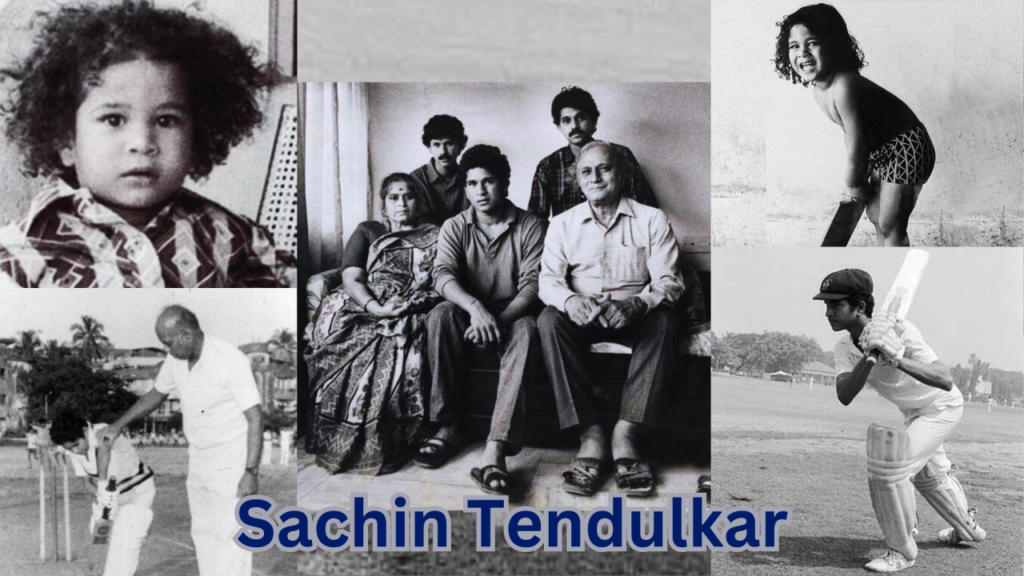
He describes growing up in a close-knit Maharashtrian family in Bandra East, Mumbai, as the youngest of four siblings. His parents played a central role in shaping his personality. His father, Ramesh Tendulkar, was a respected Marathi poet and academic, calm and endlessly patient despite Sachin’s mischievous behaviour. His mother, Rajani, worked for the Life Insurance Corporation of India and provided warmth, care, and emotional security at home. Tendulkar remembers her cooking, her singing, and the comfort he felt lying on her lap—memories that remained deeply ingrained in him.
Sachin openly admits that he was a restless and often naughty child. Life in the Sahitya Sahawas housing colony gave him freedom and space to channel his boundless energy, often through mischief. He recalls playing pranks on neighbours, getting into trouble with friends, and looking back with embarrassment at some of his childhood antics. Yet, he also recognizes that these years of constant movement, play, and physical exertion built the stamina and resilience that later sustained him as a professional cricketer.
School was never his primary source of excitement. While he was a reasonable student, he lived for the long summer holidays, spending entire days outdoors playing in the heat. He describes running barefoot around the colony, refusing to come indoors, and exhausting himself purely for the joy of movement. These habits, he reflects, explain much about his physical endurance later in life.
Food features prominently in his childhood memories. Tendulkar recalls his love for home-cooked meals, his first experience of Chinese food, and the disappointment of returning home hungry after being out-eaten by older boys. He also shares a revealing incident involving his intense desire for a bicycle. His stubbornness, sulking, and eventual accident soon after receiving it left him injured and stitched up, yet more concerned about the damage to the bicycle than his own pain. Looking back, he acknowledges how unaware he was of the financial adjustments his parents made for his happiness.
Injuries, he notes, were a frequent part of growing up. From cycling accidents to being struck by a cricket ball, he was rarely spared pain. However, his father’s calm reasoning and refusal to shout left a lasting impression. Tendulkar believes this upbringing taught him to endure discomfort without fear and to understand consequences rather than react emotionally.
Music also entered his life early. Influenced by his family’s listening habits, radio programmes, and cassette players, he developed a deep love for music that would later become a source of relaxation during his career. Alongside this, he briefly flirted with tennis, inspired by John McEnroe, even considering it seriously before cricket took precedence.
The chapter ends by explaining how his boundless energy needed direction. A childhood incident involving stealing mangoes and getting caught convinced his brother Ajit that Sachin needed structure. This realization ultimately led to his introduction to Ramakant Achrekar’s cricket camp—a decision that would quietly change the course of his life.
“My parents taught me early that being a good human being mattered far more than being a successful cricketer.”
Chapter Essence
This chapter shows how Sachin Tendulkar’s values, discipline, resilience, and love for sport were shaped long before fame, through family, mischief, and an energetic childhood in Mumbai.
Chapter 2: Learning the Game
Sachin Tendulkar begins this chapter by describing his earliest experiences with cricket, which started informally with tennis-ball games in his housing colony. Even at a young age, he was deeply observant. He watched international cricket closely and tried to copy the styles and mannerisms of players he admired, especially Sunil Gavaskar and Viv Richards. His curiosity was not limited to batting alone; he experimented with bowling different styles and variations, a habit that would stay with him throughout his career.

The turning point in this chapter is his introduction to Ramakant Achrekar, the coach who would become the most influential figure in his cricketing life. Tendulkar recounts his first visit to Achrekar’s summer camp at Shivaji Park, facilitated by his brother Ajit, who believed in his potential. Nervous and unfamiliar with net practice, Sachin struggled during his first trial and was initially deemed too young for the camp. Unaware of this verdict, he was given a second opportunity only because Ajit insisted that his nervousness had masked his true ability. This time, batting without feeling watched, Sachin performed freely and earned his place in the camp—an opportunity he describes as life-changing.
The routine at the camp was intense and demanding. Tendulkar details long days that began early in the morning and stretched late into the evening, involving multiple net sessions, practice matches, and physically exhausting drills. He describes travelling long distances by bus every day, often alone, carrying heavy kitbags, dealing with fatigue, and learning independence at an unusually young age. Financial limitations were constant, but never presented as hardship—only as part of daily life.
Achrekar’s coaching philosophy forms the emotional core of the chapter. Tendulkar explains how his coach believed match practice was far more valuable than nets and how discipline, concentration, and mental toughness were built through repetition and pressure. He recalls specific training routines, such as batting while a coin rested on the stumps, where survival rather than stroke-making was rewarded. These sessions taught him focus, patience, and how to perform under physical and mental strain.
A significant development during this phase was his decision to change schools. At Achrekar’s suggestion, and with his family’s support, Tendulkar moved from his previous school to Shardashram Vidyamandir, which had strong cricket infrastructure. This decision marked a clear prioritization of cricket in his life. Though it meant losing touch with old friends, it allowed him to immerse himself fully in the game and compete regularly, accelerating his development.
The chapter does not shy away from early disappointments. Tendulkar openly recounts failures in his initial matches, including multiple ducks and moments of embarrassment. He also shares a formative ethical lesson from his school debut, when he allowed his score to be inflated so his name would appear in the newspaper. Achrekar’s stern reaction left a deep impression, reinforcing the importance of honesty and integrity—values that Tendulkar resolved never to compromise again.
As his training intensified, Sachin began living with his uncle and aunt near Shivaji Park to reduce exhausting travel. This change brought stability and more time for practice, further sharpening his skills. He describes improvised drills at home, turning everyday spaces into training grounds, driven by an obsessive desire to improve.
The chapter culminates in Tendulkar’s first major successes in school cricket, particularly his record-breaking performances in the Harris Shield. He describes batting for long hours with joy rather than pressure, forming memorable partnerships, and earning recognition within Mumbai’s cricketing circles. Yet even amid extraordinary achievements, Achrekar’s discipline remained firm, ensuring that enjoyment never replaced responsibility.
“Those early days taught me that discipline and hard work mattered more than talent, and that lessons learned in practice would decide how I played under pressure.”
Chapter Essence
This chapter traces how discipline, sacrifice, and relentless practice transformed Sachin Tendulkar from a talented child into a serious cricketer under Ramakant Achrekar’s guidance.
Chapter 3: My First Tour
Sachin Tendulkar describes his first experience of touring for cricket as a decisive step away from the familiarity of home and into the realities of competitive sport. Still very young, he found himself learning lessons that went far beyond batting technique. The chapter captures the excitement, nervousness, and vulnerability that come with travelling as part of a team for the first time.
He writes about the thrill of representing Mumbai at a junior level and the sense of pride that came with wearing official team colours. At the same time, he admits that being away from home exposed him to discomforts he had never faced before—limited money, unfamiliar surroundings, and the pressure of performing in front of selectors. Small details, such as managing expenses and travelling with teammates, become sources of anxiety as well as learning.
On the field, Tendulkar’s experiences are mixed. He recalls moments of disappointment when opportunities did not go as planned, including getting out cheaply or being dismissed in ways that left him frustrated. These failures affected him deeply, and he does not hide the emotional impact they had at such a young age. Tears, self-doubt, and feelings of injustice surface, especially when selections do not go his way despite effort and preparation.
One of the defining aspects of the chapter is how Tendulkar learns to cope with setbacks without external reassurance. Away from family, he has to manage disappointment alone. Senior cricketers offering quiet words of comfort stand out in his memory, reinforcing how small gestures of encouragement can matter enormously to a young player. These moments shape his understanding of mentorship and empathy within the cricketing environment.
The tour also introduces him to the discipline required to survive professional sport. He becomes aware that talent alone is insufficient; adaptability, patience, and mental strength are equally important. He reflects on how early tours teach players to accept decisions beyond their control and to focus on effort rather than outcomes.
By the end of the chapter, Tendulkar recognizes that this first tour, though emotionally challenging, was a necessary step in his growth. It hardened him to disappointment, forced him to become more self-reliant, and quietly prepared him for the far more demanding tours that lay ahead in his career.
“That first tour taught me very quickly that talent alone was not enough; I had to learn how to handle disappointment away from home.”
Chapter Essence
This chapter shows how Sachin Tendulkar’s first cricket tour introduced him to independence, disappointment, and the emotional demands of competitive sport.
Chapter 4: Foreign Conditions
In this chapter, Sachin Tendulkar reflects on his first real exposure to playing cricket outside India and how foreign conditions challenged everything he had learnt until then. Until this point, most of his cricket had been played on familiar Indian pitches, where the ball behaved predictably and conditions suited subcontinental batting styles. Touring abroad forced him to confront a different reality altogether.
He describes how overseas pitches offered more pace, bounce, and movement through the air and off the surface. These changes demanded technical adjustments and, more importantly, mental recalibration. Tendulkar admits that early on he struggled to understand why shots that worked comfortably at home suddenly became risky. Batting was no longer just about timing and placement but about judgment, patience, and restraint.
The chapter emphasizes how quickly mistakes were punished in foreign conditions. Loose shots, momentary lapses in concentration, and poor decision-making often resulted in dismissals. Tendulkar explains that this phase taught him the importance of respecting conditions rather than trying to dominate them. He began to realize that adaptability was a critical skill for anyone aspiring to succeed at the highest level.
Away from home comforts, he also became more observant. He watched senior players closely, studied how they left the ball, how they adjusted their stance, and how they paced their innings. These observations helped him build an understanding that technique alone was not enough; temperament and discipline were equally essential.
Emotionally, the experience was demanding. Tendulkar writes about moments of frustration when performances did not match expectations, but he also recognizes how valuable these early lessons were. Instead of discouraging him, foreign conditions exposed weaknesses that needed correction and accelerated his learning process.
By the end of the chapter, he accepts that adapting to overseas conditions was not an obstacle but an opportunity. These early struggles laid the foundation for the methodical, patient approach that would later define his success outside India.
“Foreign conditions taught me very early that cricket was not just about playing shots, but about understanding when not to play them.”
Chapter Essence
This chapter highlights how playing abroad forced Sachin Tendulkar to adapt his technique, mindset, and temperament to survive and grow as an international cricketer.
Chapter 5: Anjali
In this chapter, Sachin Tendulkar steps away from cricket to describe one of the most important personal developments in his life—meeting Anjali, who would later become his wife. The tone is intimate and reflective, revealing how this relationship formed quietly alongside the rapid rise of his cricketing career.
Tendulkar recalls meeting Anjali for the first time at Mumbai airport. At the time, he was young, shy, and still adjusting to growing recognition as a cricketer. Anjali, who was older and already established as a doctor, came from a very different background. He admits that he was immediately attracted to her but unsure how to approach or express his feelings, given his reserved nature and lack of experience in relationships.
As they got to know each other, Tendulkar describes the challenges of nurturing a relationship under increasing public attention. Fame began to intrude into his personal life, making privacy difficult. He explains how Anjali made a conscious choice to stay away from the limelight, a decision he deeply respected. Her independence and maturity helped him cope with the pressures of celebrity while allowing their relationship to grow away from public scrutiny.
Family acceptance and cultural expectations also play an important role in this chapter. Tendulkar writes about introducing Anjali to his family and the adjustments required on both sides. He acknowledges that cricket dominated his life at the time, with frequent travel and little personal time, and credits Anjali’s patience and understanding for helping the relationship survive these early years.
Emotionally, the chapter highlights how Anjali brought balance into Tendulkar’s life. She offered him perspective beyond cricket, reminding him that success on the field was only one part of life. Her presence helped him remain grounded and emotionally steady as expectations from fans and media continued to rise.
By the end of the chapter, Tendulkar makes it clear that Anjali was not just a partner, but a stabilizing force—someone who understood the person behind the public figure and supported him quietly but firmly.
“Anjali was never overawed by the fact that I was a cricketer, and that helped me remain grounded.”
Chapter Essence
This chapter shows how Anjali’s presence brought emotional balance and stability to Sachin Tendulkar’s life as fame and responsibility increased.
Chapter 6: Years of Consolidation
In this chapter, Sachin Tendulkar reflects on a phase of his career where promise began turning into responsibility. Having already made an impression at the international level, he was no longer seen as just a prodigy. Expectations rose sharply, and with them came the pressure to deliver consistently for the Indian team. This period marked his transition from potential to dependability.
Tendulkar writes about learning how to manage the mental demands of international cricket. Opponents began preparing specifically for him, and every innings carried heightened scrutiny from selectors, media, and fans. He realized that success was no longer about occasional brilliance but about producing runs across conditions, formats, and series. This required discipline, patience, and a more methodical approach to batting.
He describes how he worked on refining his technique and decision-making. Rather than chasing strokes or dominance, he focused on understanding match situations and his own limitations. Failures during this period affected him deeply, but instead of reacting emotionally, he began to analyze them more carefully. This approach helped him build resilience and self-awareness.
The chapter also highlights the growing sense of responsibility Tendulkar felt toward the team. He became more conscious of batting time, partnerships, and the need to anchor innings. While still young, he sensed that teammates increasingly looked to him in difficult situations. This realization changed how he viewed his role—not just as a batsman, but as a pillar of stability.
Off the field, he continued to rely on the grounding influence of family and close mentors. Their presence helped him maintain balance and perspective during a phase when public expectations threatened to overwhelm him. Tendulkar emphasizes that consolidation was not glamorous, but it was essential. It was about turning talent into reliability.
By the end of the chapter, he recognizes that these years shaped the foundation of his long career. The habits, discipline, and mental strength developed during this period allowed him to sustain performance over decades rather than burn out early.
“I began to understand that consistency was far more valuable than brilliance that appeared once in a while.”
Chapter Essence
This chapter captures how Sachin Tendulkar transformed early success into consistency, discipline, and responsibility during a defining phase of his career.
Chapter 7: World Cup 1996
Sachin Tendulkar writes about the 1996 Cricket World Cup as a tournament that placed immense emotional and professional weight on his shoulders. Played in the Indian subcontinent, the World Cup carried the hopes of millions of fans who expected the team—and especially him—to deliver. From the outset, he sensed that this tournament would be different from any he had experienced before.
On the field, Tendulkar describes how he found rhythm and form early in the competition. He recalls batting with freedom and clarity, feeling responsible for giving India strong starts. As runs accumulated, expectations grew even heavier, and he became increasingly aware that his performances were directly influencing the team’s fortunes. He does not portray this responsibility as heroic, but as unavoidable.
The chapter turns somber when he reflects on the knockout stages, particularly the semi-final loss to Sri Lanka at Eden Gardens. Tendulkar writes candidly about the emotional chaos that followed his dismissal. He recalls leaving the field with India in trouble and watching events spiral out of control from the dressing room. The crowd’s reaction shocked him deeply; what should have been a celebration of cricket turned into unrest and disappointment.
Emotionally, this chapter exposes Tendulkar’s vulnerability. He admits feeling helpless and devastated, not just because India lost, but because the match ended in a way that felt painful and unresolved. The experience forced him to confront the reality that cricket in India carried expectations far beyond sport, and that failure affected people in deeply personal ways.
He reflects on how the World Cup changed him. While individual success brought recognition, the team’s failure left a lasting scar. Tendulkar acknowledges that this tournament taught him how heavy the burden of national expectation could be and how important emotional resilience would be for survival at the highest level.
“When I walked back to the pavilion that day, I felt I had let down not just the team, but millions of people.”
Chapter Essence
This chapter shows how the 1996 World Cup exposed Sachin Tendulkar to the immense emotional weight of national expectation and collective disappointment.
Chapter 8: Captaincy – The First Stint
In this chapter, Sachin Tendulkar reflects on his first experience as captain of the Indian cricket team, a role he accepted with sincerity but growing discomfort. While leadership appeared to be a natural progression in his career, he admits that captaincy demanded a very different mindset from batting. The responsibility extended beyond personal performance and began to affect how he approached the game itself.
Tendulkar describes stepping into the role with the intention of leading by example rather than authority. He focused on preparation, discipline, and setting standards, believing that actions mattered more than words. However, he soon realized that captaincy required constant decision-making—field placements, bowling changes, man-management, and media interaction—often under intense scrutiny.
One of the central struggles in this chapter is the internal conflict between being a leader and being a batsman. Tendulkar explains how the additional mental load made it difficult to switch off and concentrate solely on batting. He found himself thinking about team strategy even while at the crease, something that disrupted his natural rhythm and clarity.
The chapter also touches on external pressures. Tendulkar felt the weight of expectations from selectors, fans, and the media, all of whom closely judged every decision he made. Losses were magnified, and criticism became personal. He admits that this constant pressure began to drain him emotionally and mentally.
Importantly, Tendulkar does not present himself as a failed captain, but as someone who recognized his limitations. He reflects honestly on the realization that leadership roles must align with temperament. While he cared deeply about the team, he acknowledges that his greatest contribution lay in batting freely rather than carrying the burden of captaincy.
By the end of the chapter, Tendulkar conveys a sense of relief mixed with introspection. The experience taught him humility and self-awareness, reinforcing that success is not about holding titles, but about understanding where one can perform best.
“Captaincy made me realize that leadership is not just about responsibility, but about knowing whether that responsibility suits your temperament.”
Chapter Essence
This chapter captures how Sachin Tendulkar’s first stint as captain revealed the tension between leadership duties and his natural role as a batsman.
Chapter 9: A Four-Month Honeymoon
In this chapter, Sachin Tendulkar describes a rare pause in his otherwise relentless cricketing schedule—the period following his marriage to Anjali. For the first time in many years, cricket briefly took a back seat, allowing him space to experience married life away from the constant pressures of international sport. The chapter is calm in tone, marked by reflection rather than performance.
Tendulkar writes about how unusual it felt to spend extended, uninterrupted time away from cricket. Accustomed to structured routines, tours, and match preparation, he initially struggled to adjust to a slower pace of life. Yet gradually, he began to appreciate the balance this break brought. He describes how the time spent with Anjali helped him reconnect with everyday life beyond the boundary rope.
The chapter also touches on how marriage altered his perspective. Tendulkar reflects on the responsibilities that came with this new phase—not in terms of restriction, but emotional grounding. Anjali’s presence brought stability and clarity, allowing him to step back and reassess priorities that had long been dominated by cricket.
Despite the calm, cricket never felt completely distant. Tendulkar admits that even during this break, the game remained present in his thoughts. He remained conscious that this period of rest would soon end and that expectations would return the moment he stepped back onto the field. However, the mental freshness gained during these months gave him renewed energy.
By the end of the chapter, Tendulkar acknowledges that this four-month honeymoon was less about escape and more about recalibration. It allowed him to return to cricket mentally refreshed, emotionally supported, and better prepared to handle the demands that lay ahead.
“For once, cricket was not the centre of my universe, and that helped me understand life beyond the game.”
Chapter Essence
This chapter shows how a rare break from cricket after marriage gave Sachin Tendulkar emotional balance and renewed perspective.
Chapter 10: Tumultuous Times
In this chapter, Sachin Tendulkar reflects on one of the most difficult phases of his career, when external controversies and internal uncertainty converged to create sustained pressure. Cricket, which had long been a source of clarity for him, became entangled with distractions that affected both performance and peace of mind.
Tendulkar writes about how instability within the team, frequent changes, and constant scrutiny from the media created an unsettled environment. Decision-making around selection and leadership added to the sense of unease, and he found it increasingly difficult to focus purely on batting. The noise around the team often overshadowed preparation and execution on the field.
He describes how injuries and inconsistent form compounded these challenges. Each failure felt magnified, and expectations did not soften despite the circumstances. Tendulkar admits that this period tested his emotional resilience more than any technical weakness. Confidence wavered, not because of a lack of effort, but because clarity was hard to come by.
A key theme of the chapter is how he learned to endure uncertainty without reacting impulsively. Rather than seeking quick fixes, he chose to remain disciplined and trust the process he had built over years. This restraint, he notes, was not easy, especially when criticism became personal and relentless.
The chapter also highlights the importance of inner stability. Tendulkar credits family and close confidants for helping him remain grounded when public opinion turned volatile. These support systems reminded him of his identity beyond results and scorecards.
By the end of the chapter, Tendulkar accepts that turmoil is an inevitable part of a long career. What mattered most during these times was not immediate success, but the ability to remain composed and continue working through adversity without losing self-belief.
“There were phases when everything around me seemed unsettled, and the hardest part was finding calm within myself.”
Chapter Essence
This chapter captures how Sachin Tendulkar navigated uncertainty, criticism, and instability during one of the most testing periods of his career.
Chapter 11: The Best Series Ever
In this chapter, Sachin Tendulkar reflects on a series that stands out in his memory not merely for personal success, but for the quality, intensity, and emotional fulfilment it brought. Coming after a period of uncertainty, this series felt like a reminder of why he played the game and what cricket could offer when preparation, form, and mindset aligned.
Tendulkar writes about entering the series with renewed focus. Rather than chasing milestones, his attention was on discipline, shot selection, and reading conditions correctly. He describes feeling mentally settled, allowing him to respond naturally to challenges rather than forcing outcomes. This clarity translated into performances that felt controlled and satisfying rather than frantic or desperate.
What made the series special, he explains, was the quality of the contest. The opposition was strong, the conditions demanding, and the margins fine. Every innings required concentration and adaptability. Tendulkar enjoyed the challenge of being tested repeatedly, finding fulfilment in competing at a high level rather than merely accumulating runs.
The chapter also highlights the collective aspect of success. Tendulkar notes how team momentum, partnerships, and shared belief elevated individual performances. He reflects on moments where teamwork and trust mattered more than personal brilliance, reinforcing his belief that cricket’s greatest rewards come from collective effort.
Emotionally, the series restored confidence that had been shaken during earlier struggles. Tendulkar does not describe this phase as redemption, but as reassurance—that his methods still worked and that patience eventually brought results. The joy came not from silencing critics, but from internal satisfaction.
By the end of the chapter, Tendulkar describes the series as a benchmark—one that reaffirmed his love for the game and reminded him of the standards he wanted to maintain for the rest of his career.
“What made this series special was not just the runs, but the way I felt while batting.”
Chapter Essence
This chapter shows how a high-quality series restored Sachin Tendulkar’s confidence and reaffirmed his love for competing at the highest level.
Chapter 12: Standing Up for Myself
In this chapter, Sachin Tendulkar writes about a period when he felt compelled to assert himself more firmly, both on and off the field. Known for being reserved and non-confrontational, he explains that certain situations left him with little choice but to speak up in order to protect his dignity, integrity, and professional standards.
Tendulkar reflects on how misunderstandings, public criticism, and unfair perceptions began to affect him deeply. While he had always believed in letting performances speak for themselves, he realized that silence could sometimes be misinterpreted as acceptance. This chapter marks a shift in his approach—from quiet endurance to measured self-assertion.
He describes specific moments when he had to clarify his position, challenge narratives, or defend his actions. These were not acts of defiance, but attempts to ensure fairness and transparency. Tendulkar emphasizes that standing up for himself did not come naturally and often left him uncomfortable, yet he understood that self-respect required it.
Emotionally, the chapter reveals the internal conflict he faced. He struggled with the fear of being seen as confrontational versus the need to be honest. Over time, he learned that speaking up did not diminish humility; instead, it reinforced personal boundaries and accountability.
The chapter also highlights the support he received from family and close associates, who encouraged him to remain true to his values while asserting himself when necessary. These conversations helped him realize that maturity involved balance—knowing when to remain silent and when to speak.
By the end of the chapter, Tendulkar accepts that standing up for oneself is sometimes unavoidable, especially in high-pressure environments. For him, it became less about confrontation and more about clarity, self-respect, and emotional growth.
“I realized that staying quiet all the time did not always mean I was doing the right thing.”
Chapter Essence
This chapter captures how Sachin Tendulkar learned to assert himself with dignity, balancing humility with the need for self-respect.
Chapter 13: A Glorious English Summer
In this chapter, Sachin Tendulkar reflects on a tour of England that stands out as one of the most satisfying phases of his career. Coming after periods of pressure and self-doubt, the English summer offered conditions that tested technique and temperament—challenges he embraced with clarity and confidence.
Tendulkar writes about batting in English conditions, where swing and seam demand patience and precise judgment. He explains how success there requires resisting the temptation to chase the ball and trusting defensive technique as much as attacking instinct. During this tour, he felt mentally settled, allowing him to make decisions without rushing or second-guessing himself.
He describes how preparation played a crucial role. Long hours in the nets, careful observation of bowlers, and a clear game plan helped him adapt to conditions that had troubled him earlier in his career. Rather than forcing strokes, he focused on leaving the ball well and building innings methodically—an approach that brought both runs and inner satisfaction.
The chapter also highlights the emotional reward of performing consistently in challenging circumstances. Tendulkar enjoyed the respect that came with succeeding in England, a place where technique is scrutinized closely. He reflects on how these performances strengthened his belief that discipline and patience could withstand any bowling attack.
Beyond personal milestones, Tendulkar emphasizes the joy of contributing meaningfully to the team. He writes about partnerships, momentum, and the collective confidence that grew as performances accumulated. The summer felt “glorious” not because everything was easy, but because challenges were met with composure.
By the end of the chapter, Tendulkar recognizes this English tour as a validation of his methods. It reaffirmed that careful preparation, emotional balance, and trust in fundamentals could bring sustained success, even in the most demanding environments.
“Batting in England taught me that patience is not passive—it is an active, conscious choice.”
Chapter Essence
This chapter shows how discipline, patience, and preparation helped Sachin Tendulkar enjoy one of the most fulfilling tours of his career in England.
Chapter 14: World Cup 2003
In this chapter, Sachin Tendulkar reflects on the 2003 Cricket World Cup as one of the most intense and emotionally charged tournaments of his career. Played in South Africa, the event carried unfinished business from earlier World Cups, particularly the heartbreak of 1996. Tendulkar entered the tournament with a clear mindset—focus on preparation, clarity of role, and emotional control.
He writes about the disciplined approach he adopted throughout the tournament. Instead of chasing individual milestones, his priority was to give India strong starts and set the tone for the innings. Tendulkar describes feeling mentally sharp and physically prepared, allowing him to respond instinctively rather than overthink situations. Each innings demanded concentration, adaptability, and restraint, especially against quality bowling attacks.
One of the most defining moments he recounts is the match against Pakistan. Tendulkar describes the pressure surrounding the contest and how he focused on staying calm amid intense expectations. His innings in that match stands out not just for the runs scored, but for the control and clarity he felt while batting. He emphasizes that the satisfaction came from executing plans rather than the applause that followed.
As the tournament progressed, Tendulkar became increasingly aware of the team’s collective belief. Partnerships, momentum, and trust among players created an environment where individual performances fed into team success. He reflects on how the dressing room atmosphere remained positive, grounded, and united, even as expectations from back home grew heavier.
The chapter turns reflective as Tendulkar discusses the final. Despite reaching the World Cup final, India fell short against Australia. He writes honestly about the disappointment and the emotional emptiness that followed. While personal performances brought recognition, the absence of the trophy overshadowed everything else. The loss reinforced for him that cricket’s greatest rewards are collective, not individual.
By the end of the chapter, Tendulkar accepts the 2003 World Cup as a defining experience—one that tested him emotionally, reaffirmed his values, and reminded him that fulfillment in sport is often shaped as much by loss as by success.
“Personal milestones mean very little when the team does not achieve what it set out to do.”
Chapter Essence
This chapter captures how Sachin Tendulkar’s finest World Cup performances in 2003 were accompanied by the deepest disappointment of falling short as a team.
Chapter 15: Away Wins
In this chapter, Sachin Tendulkar reflects on the significance of winning Test matches away from home—a challenge that had long defined the credibility of the Indian team. For years, overseas victories had been rare, and each win carried a sense of validation that went beyond the scoreline. Tendulkar presents these moments not as isolated triumphs, but as evidence of gradual growth and belief within the team.
He writes about how conditions abroad demanded a different mindset. Batting on foreign pitches required patience, discipline, and the ability to endure long periods without immediate reward. Tendulkar emphasizes that away wins were built on preparation and restraint rather than flair. Bowlers had to be persistent, batsmen had to absorb pressure, and fielders had to maintain intensity across long sessions.
The chapter highlights how teamwork played a decisive role in these victories. Tendulkar recalls partnerships that steadied innings, spells of bowling that shifted momentum, and collective effort that held the team together in unfamiliar environments. He notes that away wins rarely belonged to individuals; they were earned through shared responsibility and trust.
Emotionally, Tendulkar describes a deep sense of satisfaction that came with proving India’s competitiveness overseas. These wins quieted long-standing doubts about the team’s ability to perform outside the subcontinent. For him personally, contributing to such victories reaffirmed the value of patience and methodical preparation developed over years.
He also reflects on how these successes changed the team’s mindset. Confidence gained from away wins carried into future tours, replacing hesitation with belief. Tendulkar observes that once the mental barrier was broken, the team began approaching overseas challenges with greater assurance rather than fear.
By the end of the chapter, Tendulkar views away wins as milestones of maturity. They were not dramatic breakthroughs, but steady confirmations that the team had learned how to compete, adapt, and succeed beyond familiar conditions.
“Winning away from home always felt special, because it told us we could adapt and succeed anywhere.”
Chapter Essence
This chapter shows how overseas victories marked a turning point in India’s confidence and maturity as a competitive international team.
Chapter 16: Under the Knife
In this chapter, Sachin Tendulkar writes about one of the most physically and mentally challenging phases of his career—undergoing surgery and dealing with the uncertainty that followed. Injuries, which had been manageable for most of his life, now threatened not just short-term form but the longevity of his career. For the first time, his body demanded as much attention as his technique.

Tendulkar describes how persistent pain began interfering with his ability to train and perform freely. Playing through discomfort was no longer an option, and the realization that surgery might be unavoidable forced him to confront vulnerability he had rarely acknowledged before. The decision to go “under the knife” was not taken lightly; it came with fear, doubt, and questions about recovery.
He reflects on the emotional toll of being away from the game during rehabilitation. Accustomed to constant routine and purpose, the absence of cricket left a void. Tendulkar admits that watching matches from the sidelines was far more difficult than playing through pain. The uncertainty of whether he would return to his previous level weighed heavily on him.
The chapter emphasizes patience and discipline during recovery. Tendulkar writes about trusting medical advice, resisting the urge to rush back, and relearning movements he once took for granted. This period tested his mental strength more than any bowling attack, requiring acceptance rather than resistance.
Family support becomes especially important in this phase. Tendulkar acknowledges how reassurance from loved ones helped him stay grounded when doubts crept in. Their presence reminded him that his identity extended beyond cricket, even if the game remained central to his life.
By the end of the chapter, Tendulkar recognizes that surgery marked a turning point. It forced him to listen to his body, respect limitations, and adapt his approach. Rather than weakening him, the experience added a new layer of awareness that would shape the rest of his career.
“For the first time, I had to accept that my body had its own limits, no matter how strong my will was.”
Chapter Essence
This chapter captures how injury and surgery forced Sachin Tendulkar to confront vulnerability, patience, and adaptation in his career.
Chapter 17: ‘Endulkar’
In this chapter, Sachin Tendulkar addresses a phase when public perception around his career turned sharply critical. The nickname “Endulkar,” coined by sections of the media and fans, reflected a growing belief that his time at the top was over. For someone who had spent decades carrying expectations, this label marked a painful shift—from being celebrated to being doubted.
Tendulkar writes candidly about how these narratives affected him emotionally. While he had always tried to stay insulated from external noise, the constant questioning of his place in the team was difficult to ignore. Injuries, reduced consistency, and prolonged recovery periods fed speculation, making every innings feel like a verdict rather than an opportunity.
He reflects on the internal battle this period created. On one hand, he felt physically capable of contributing; on the other, he was aware of the impatience surrounding him. Tendulkar explains that the hardest part was not criticism itself, but the implication that his past achievements no longer mattered. This forced him to confront doubts about timing, self-belief, and resilience.
Rather than reacting defensively, Tendulkar chose introspection. He focused on preparation, fitness, and clarity of role, reminding himself why he continued to play. He admits that this phase required humility—accepting that form fluctuates—and courage to persist without guarantees of appreciation.
Support from family, teammates, and close confidants played a crucial role. Their belief helped counterbalance public skepticism, allowing him to stay mentally steady. Tendulkar emphasizes that enduring this phase quietly strengthened his resolve more than any period of praise ever had.
By the end of the chapter, he reframes the “Endulkar” label not as an ending, but as a test of character. The experience reinforced his belief that longevity in sport depends as much on emotional strength as on runs scored.
“Being written off was painful, but it also made me look inward and ask myself why I still wanted to play.”
Chapter Essence
This chapter shows how Sachin Tendulkar faced public doubt and criticism with introspection, resilience, and renewed self-belief.
Chapter 18: Bad Language
In this chapter, Sachin Tendulkar addresses an uncomfortable episode that challenged his public image and tested his sense of fairness. Known for restraint and composure, he found himself at the center of controversy over allegations related to on-field language—an incident that brought scrutiny, misunderstanding, and personal frustration.
Tendulkar explains how competitive intensity can sometimes be misread, especially in high-pressure environments where emotions run high. He reflects on how words, tone, and intent can be interpreted differently by players, officials, and spectators. What troubled him most was not criticism itself, but the feeling that context had been overlooked and conclusions drawn too quickly.
The chapter reveals the emotional strain of being judged against a reputation built over decades. Tendulkar writes about the discomfort of defending himself publicly—something he had rarely done. He describes weighing his options carefully, choosing clarity over confrontation, and trusting due process rather than reacting impulsively.
He also reflects on the broader lesson the incident offered: that silence is not always neutral, and measured explanation can be necessary to protect one’s integrity. Throughout, he emphasizes respect—for the game, for opponents, and for officials—even while asserting his own perspective.
Family and close advisers again emerge as anchors, helping him maintain balance while the issue played out. Their counsel reinforced his belief that responding with dignity mattered more than winning arguments in the public arena.
By the end of the chapter, Tendulkar frames the episode as a reminder of how quickly narratives can form—and how important it is to stay grounded, factual, and respectful when reputations are tested.
“What hurt me most was not the allegation itself, but the feeling that my intent had been misunderstood.”
Chapter Essence
This chapter captures how Sachin Tendulkar handled controversy with restraint, clarity, and a commitment to protecting his integrity.
Chapter 19: Bouncing Back
In this chapter, Sachin Tendulkar reflects on the period immediately following controversy, criticism, and doubts about his place in the team. Rather than responding with anger or defensiveness, he chose to return to what had always anchored him—preparation, discipline, and an unwavering focus on batting. This phase, he explains, was less about proving others wrong and more about regaining inner clarity.
Tendulkar writes about simplifying his approach. He went back to basics, concentrating on fitness, timing, and shot selection. By removing distractions and reducing expectations, he allowed himself to rediscover rhythm at the crease. This return to fundamentals helped him rebuild confidence gradually rather than chasing instant validation.
The chapter emphasizes mental resilience. Tendulkar admits that bouncing back was not an overnight process. There were moments of doubt and frustration, but he learned to accept them without letting them dictate his actions. Each small improvement mattered, reinforcing the belief that form returns when effort remains honest and consistent.
He also highlights the importance of perspective during recovery phases—whether from injury, criticism, or loss of form. Tendulkar notes that setbacks often clarify priorities, reminding him why he played the game in the first place. The joy of batting, rather than external approval, became his primary motivation again.
Support from teammates and family continued to play a quiet but crucial role. Their faith helped steady him when confidence wavered. Tendulkar credits this collective belief for helping him stay patient and committed during a phase when quick fixes were tempting.
By the end of the chapter, Tendulkar frames bouncing back as an internal process rather than a public statement. For him, resilience meant showing up prepared, trusting time and effort, and allowing performances to speak without forcing outcomes.
“Bouncing back was never about making a statement; it was about finding my own balance again.”
Chapter Essence
This chapter shows how Sachin Tendulkar rebuilt confidence through patience, discipline, and a renewed focus on the fundamentals.
Chapter 20: The IPL
In this chapter, Sachin Tendulkar reflects on the arrival of the Indian Premier League and how it altered the landscape of Indian cricket. The IPL was unlike anything he had experienced before—fast-paced, commercially driven, and intensely visible. While its format was new, Tendulkar approached it with the same seriousness and professionalism that had defined his international career.
He writes about joining the Mumbai Indians and feeling a deep sense of responsibility toward the franchise and its supporters. Representing Mumbai carried emotional weight, given his own roots in the city. Tendulkar describes how the IPL brought together international stars, young Indian talent, and massive fan engagement, creating a high-energy environment that demanded quick adaptation.
The chapter highlights the contrast between traditional international cricket and the shorter, entertainment-driven T20 format. Tendulkar admits that adjusting his batting style required conscious effort. Shot selection, strike rotation, and risk management had to be recalibrated. Rather than trying to overpower bowlers, he relied on placement, timing, and experience to remain effective.
Tendulkar also reflects on the leadership dynamics within franchise cricket. The dressing room included players from different countries, cultures, and cricketing philosophies. He enjoyed interacting with younger players, sharing experiences, and learning from teammates with contrasting styles. This exchange reinforced his belief that cricket constantly evolves and demands openness to change.
Emotionally, the IPL brought renewed enjoyment. Tendulkar writes about rediscovering the joy of playing in front of enthusiastic crowds in a less pressurized international context. While expectations remained high, the environment allowed him to engage with the game differently—more freely, yet still responsibly.
By the end of the chapter, Tendulkar acknowledges that the IPL was not just a tournament but a turning point in Indian cricket. For him personally, it offered a chance to adapt, mentor, and continue contributing meaningfully in a rapidly changing cricketing world.
“The IPL showed me that the game could evolve dramatically, yet still demand the same discipline and respect.”
Chapter Essence
This chapter shows how Sachin Tendulkar adapted to the IPL’s modern format while staying true to his core cricketing values.
Chapter 21: Number One
In this chapter, Sachin Tendulkar reflects on reaching the top of the world rankings and what that position truly meant to him. Being labelled “number one” was a public marker of excellence, but he explains that it carried responsibility rather than celebration. The ranking intensified expectations, turning every innings into a test of whether he could justify that status again.
Tendulkar writes about how he learned to treat rankings as a by-product rather than a target. Chasing numbers, he felt, could distract from preparation and decision-making. Instead, he focused on processes—training routines, mental readiness, and adaptability to conditions—believing that consistency would naturally take care of outcomes.
The chapter also explores the pressure of being the benchmark. Opponents planned more carefully, bowlers tested him relentlessly, and scrutiny from media and fans sharpened. Tendulkar admits that maintaining composure at the top required emotional discipline—acknowledging praise without being consumed by it, and absorbing criticism without letting it derail focus.
He reflects on the satisfaction of knowing his work ethic had earned him that position. The ranking validated years of discipline, sacrifice, and resilience through injuries and form slumps. Yet he is careful to note that personal fulfillment still came from contributing to team success, not from individual labels.
By the end of the chapter, Tendulkar reframes “number one” as a moment in time rather than a destination. What mattered most was sustaining standards—showing up prepared, respecting the game, and remaining humble regardless of where he stood in the rankings.
“Being number one was never the goal; doing the right things every day was.”
Chapter Essence
This chapter shows how Sachin Tendulkar viewed the world number one ranking as a responsibility earned through discipline, not a goal to chase.
Chapter 22: Staying at the Top
In this chapter, Sachin Tendulkar reflects on the reality that reaching the top is only part of the journey; remaining there is a far greater challenge. Once he established himself as one of the world’s best, the demands on his body, mind, and discipline increased rather than eased. Expectations did not fade—they sharpened.
Tendulkar writes about how staying at the top required constant reinvention. Bowlers studied him closely, strategies evolved, and any technical weakness was quickly exposed. He explains that complacency was the biggest threat. To counter it, he focused on continuous learning—fine-tuning technique, adapting to new formats, and remaining open to change even after decades at the highest level.
The chapter places strong emphasis on physical maintenance. Tendulkar describes how recovery, fitness routines, and workload management became as important as batting practice. Listening to his body, pacing himself across long seasons, and respecting medical advice were necessary to extend his career in an era of increasingly packed schedules.
Mentally, he highlights the importance of motivation. Tendulkar admits that staying hungry after years of success was not automatic. What drove him forward was not records, but the desire to contribute meaningfully to the team and to challenge himself against the best bowlers in the world. Small goals—winning sessions, building partnerships, adapting to conditions—kept him engaged.
He also reflects on humility as a survival skill. Past achievements could not guarantee future success, and he remained conscious that every innings started at zero. This mindset helped him approach matches with respect and focus, regardless of reputation.
By the end of the chapter, Tendulkar concludes that longevity at the top comes from discipline and adaptability rather than brilliance alone. Staying there required daily commitment, self-awareness, and the willingness to evolve without losing core values.
“Staying at the top demanded far more effort than getting there in the first place.”
Chapter Essence
This chapter shows how discipline, adaptability, and humility helped Sachin Tendulkar sustain excellence at the highest level for years.
Chapter 23: World Cup 2011
In this chapter, Sachin Tendulkar reflects on the 2011 Cricket World Cup as the most emotionally significant achievement of his career. Playing on home soil, with the expectations of an entire nation, the tournament represented both a final opportunity and a lifelong dream. He entered the World Cup aware that this could be his last realistic chance to win the one trophy that had eluded him.
Tendulkar writes about approaching the tournament with clarity rather than pressure. Having experienced the highs and heartbreaks of previous World Cups, he focused on preparation, discipline, and contribution rather than personal milestones. He accepted a clearly defined role within the team—providing stability at the top and guiding younger players through experience rather than authority.
The chapter highlights how the team environment played a crucial role in India’s success. Tendulkar speaks with admiration about the unity, belief, and calmness within the squad. Senior players and younger members complemented each other, creating a balance that allowed the team to absorb pressure without panic. He notes how trust within the group made individual burdens feel lighter.
Emotionally, Tendulkar describes moments of vulnerability during the tournament—particularly when injuries, form fluctuations, and fatigue surfaced. Yet he never felt alone. The support of teammates, especially in critical matches, reinforced the sense that this World Cup was a collective pursuit rather than a personal quest.
The final at Wankhede Stadium carries deep personal meaning. Tendulkar recalls watching from the sidelines after his dismissal, resisting the urge to intervene emotionally, and trusting the team to finish the job. When the final wicket fell, the relief and joy were overwhelming—not because of personal glory, but because the shared dream had finally been realized.
By the end of the chapter, Tendulkar frames the 2011 World Cup not as the end of his journey, but as its emotional summit. It was a moment where effort, patience, and belief converged—rewarding not just him, but an entire generation of Indian cricket followers.
“Winning the World Cup in 2011 was not about me—it was about a team that believed in a shared dream.”
Chapter Essence
This chapter captures how winning the 2011 World Cup fulfilled Sachin Tendulkar’s lifelong dream through collective belief and perseverance.
Chapter 24: The Quest for the 100th Hundred
In this chapter, Sachin Tendulkar reflects on a period when a personal milestone began to overshadow everything else he did on the field. After reaching ninety-nine international centuries, the anticipation around the hundredth became relentless. What had once been an organic measure of consistency turned into a public obsession, followed match by match with growing impatience.
Tendulkar writes about how the attention affected his mindset. He became increasingly aware that every innings was being judged through a single lens—whether the hundredth would arrive. This constant focus created pressure that subtly altered his approach. He admits that, at times, he tried too hard, allowing expectations to interfere with natural decision-making and rhythm.
The chapter explores how the milestone began to feel like a burden rather than a reward. Tendulkar describes walking out to bat knowing that applause, criticism, and headlines were pre-written depending on the outcome. Even solid contributions felt incomplete if they did not end in three figures. He reflects on how this phase tested his emotional discipline more than his technique.
Support from teammates and family helped him maintain perspective. Tendulkar emphasizes that conversations at home reminded him that cricket could not be reduced to a single number. Gradually, he worked toward detaching himself from the milestone, focusing instead on preparation and contribution to the team.
When the hundredth finally arrived, he describes a sense of relief rather than celebration. The moment was meaningful, but quieter than expected, marked by gratitude rather than triumph. Tendulkar recognizes that the journey toward the milestone taught him a valuable lesson about expectation, patience, and self-awareness.
By the end of the chapter, he reframes the 100th hundred as a chapter of endurance. It was not the runs that defined the phase, but the ability to remain composed and committed while carrying a weight that few athletes ever experience.
“The closer I got to the hundredth hundred, the heavier it seemed to become.”
Chapter Essence
This chapter shows how chasing the 100th hundred tested Sachin Tendulkar’s patience, mindset, and emotional balance more than his batting skill.
Chapter 25: My Last Full Season
In this chapter, Sachin Tendulkar reflects on the final phase of his career when he was still playing a complete international season, even as his body increasingly signalled that time was catching up with him. There is a sense of quiet awareness throughout the chapter—an understanding that the end, while not officially declared, was drawing closer.
Tendulkar writes about the physical demands of international cricket and how recovery now required more effort than ever before. Training sessions were carefully managed, and listening to his body became essential rather than optional. While his desire to contribute remained strong, he was realistic about limitations that could no longer be ignored.
He describes how performances during this period were shaped by experience rather than exuberance. Shot selection, game awareness, and patience took precedence over dominance. Tendulkar accepted that his role was evolving—from being the focal point of the batting lineup to providing stability, guidance, and calm under pressure.
Emotionally, this phase carried a mixture of gratitude and introspection. Tendulkar acknowledges moments of satisfaction when preparation translated into meaningful contributions, as well as moments of frustration when his body did not respond as it once had. Yet, he does not frame this period as decline, but as adaptation.
The chapter also highlights his growing awareness of legacy. Tendulkar reflects on younger players stepping into leadership roles and feels a quiet sense of fulfillment in watching the team progress. Rather than clinging to past glory, he found contentment in being part of a transitioning side.
By the end of the chapter, Tendulkar accepts that playing a full season at this stage of his career was an achievement in itself. It reaffirmed his belief that longevity in sport is sustained not by resisting change, but by adapting to it with humility and purpose.
“I knew my body was asking different questions now, and I had to listen carefully.”
Chapter Essence
This chapter captures how Sachin Tendulkar navigated his final full season with awareness, adaptation, and quiet acceptance of change.
Chapter 26: Winding Down
In this chapter, Sachin Tendulkar writes with quiet honesty about the gradual process of stepping away from the game that had defined his life. There is no single moment of decision described here; instead, the chapter captures a slow internal shift, where physical signals, emotional readiness, and reflection began aligning toward the same conclusion.
Tendulkar explains how preparation and recovery now demanded disproportionate effort. What once felt routine required careful planning, and the margin for error grew smaller. He remained committed whenever he took the field, but he also became increasingly aware that sustaining the standards he set for himself was becoming harder with time.
The chapter is reflective rather than dramatic. Tendulkar speaks about listening more closely to his body and mind, accepting fatigue, and recognizing that desire alone could not override physical reality. He did not want to continue playing simply because he could; he wanted to play only if he could still contribute meaningfully.
Emotionally, this phase was marked by gratitude rather than regret. Tendulkar reflects on the privilege of a long career and the satisfaction of having played the game on his own terms. Conversations with family and close friends helped him process these thoughts without urgency or pressure, reinforcing that the decision to step away had to feel right internally.
He also writes about letting go—of routines, expectations, and the identity that came with being a full-time international cricketer. This was not easy, but it was necessary. Tendulkar acknowledges that accepting an ending is part of respecting the journey.
By the end of the chapter, it is clear that “winding down” was not about loss, but about readiness. It was the calm before a final decision, shaped by self-awareness, acceptance, and deep respect for the game.
“I did not want the game to tell me when to stop; I wanted to understand it myself.”
Chapter Essence
This chapter shows how Sachin Tendulkar gradually accepted that the time to step away was approaching, guided by self-awareness and gratitude.
Chapter 27: The Final Test

In this chapter, Sachin Tendulkar recounts the emotional weight of playing his final Test match, a moment he knew would mark the end of a journey spanning more than two decades. Played at the Wankhede Stadium in Mumbai, the setting itself carried deep personal significance. Every routine—from walking into the dressing room to stepping onto the field—felt charged with awareness that this would be the last time.
Tendulkar writes about the effort it took to remain present and focused amid the emotion. While external attention was overwhelming, he tried to approach the match as he always had—through preparation and discipline. Yet he admits that keeping emotions in check was difficult, as memories surfaced constantly and the finality of the occasion lingered in every moment.
He reflects on batting in his final innings, conscious of not wanting sentiment to interfere with execution. The desire to contribute one last time for the team mattered more than personal closure. When his innings ended, there was disappointment, but also acceptance. He recognized that endings, like beginnings, are rarely perfect.
The chapter vividly captures the outpouring of affection from teammates, opponents, officials, and fans. Tendulkar describes the overwhelming gratitude he felt, realizing how deeply his journey had been shared by others. The respect shown to him reinforced the values he had tried to uphold—humility, commitment, and love for the game.
Emotionally, the final moments were difficult to process. Tendulkar writes about walking off the field knowing there would be no next match to prepare for. Yet, rather than sadness, he felt a profound sense of peace. He had given everything he could, and the game had given him far more in return.
By the end of the chapter, Tendulkar frames the final Test not as a farewell filled with loss, but as a moment of completion. The journey had come full circle—ending where it began, in Mumbai, surrounded by people who had shaped and supported him throughout his life.
“As I walked off the field, I knew there was nothing more I could give to the game.”
Chapter Essence
This chapter captures Sachin Tendulkar’s final Test as a moment of emotional closure, gratitude, and quiet fulfillment.
Chapter 28: Last Word
In the closing chapter of his autobiography, Sachin Tendulkar steps away from matches and milestones to offer a final reflection on his journey. The tone is calm, grateful, and deeply personal. Rather than summing up his career in numbers or achievements, he focuses on the values, people, and moments that shaped his life both on and off the field.
Tendulkar reflects on the privilege of representing India for over two decades and the responsibility that came with it. He acknowledges that the journey was never his alone. Coaches, teammates, family members, support staff, and fans all played essential roles in sustaining him through triumphs, failures, injuries, and doubt. Gratitude, rather than pride, dominates his closing thoughts.
He revisits the importance of humility and balance—lessons first instilled by his parents and reinforced throughout his career. Tendulkar reiterates that cricket, no matter how consuming, was always only one chapter of life. Remaining grounded, respecting the game, and valuing relationships mattered far more than records or recognition.
The chapter also touches on acceptance. Tendulkar makes peace with imperfections, missed opportunities, and moments he wishes had gone differently. He does not attempt to present his career as flawless, but as honest—marked by effort, learning, and sincerity. This acceptance allows him to close the book without regret.
Emotionally, the chapter feels like a quiet conversation rather than a farewell speech. Tendulkar does not seek applause or validation. Instead, he expresses contentment in knowing that he played the game with integrity and commitment, staying true to himself throughout changing eras and expectations.
By the end of the chapter, Tendulkar leaves readers with a sense of completion. His journey, he suggests, was never about chasing greatness, but about honoring an opportunity. With gratitude and humility, he brings his story to a close.
“I played the game with honesty and passion, and that is what gives me peace today.”
Chapter Essence
This final chapter closes Sachin Tendulkar’s story with gratitude, humility, and acceptance, focusing on values rather than achievements.
About Author