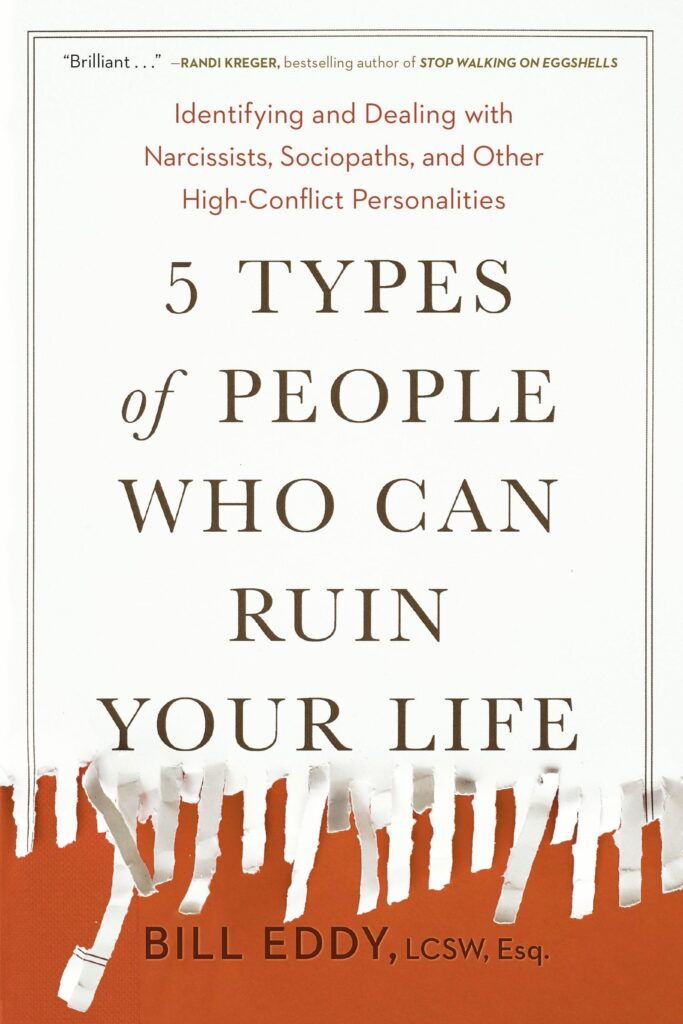
Summary
What You Must Do:
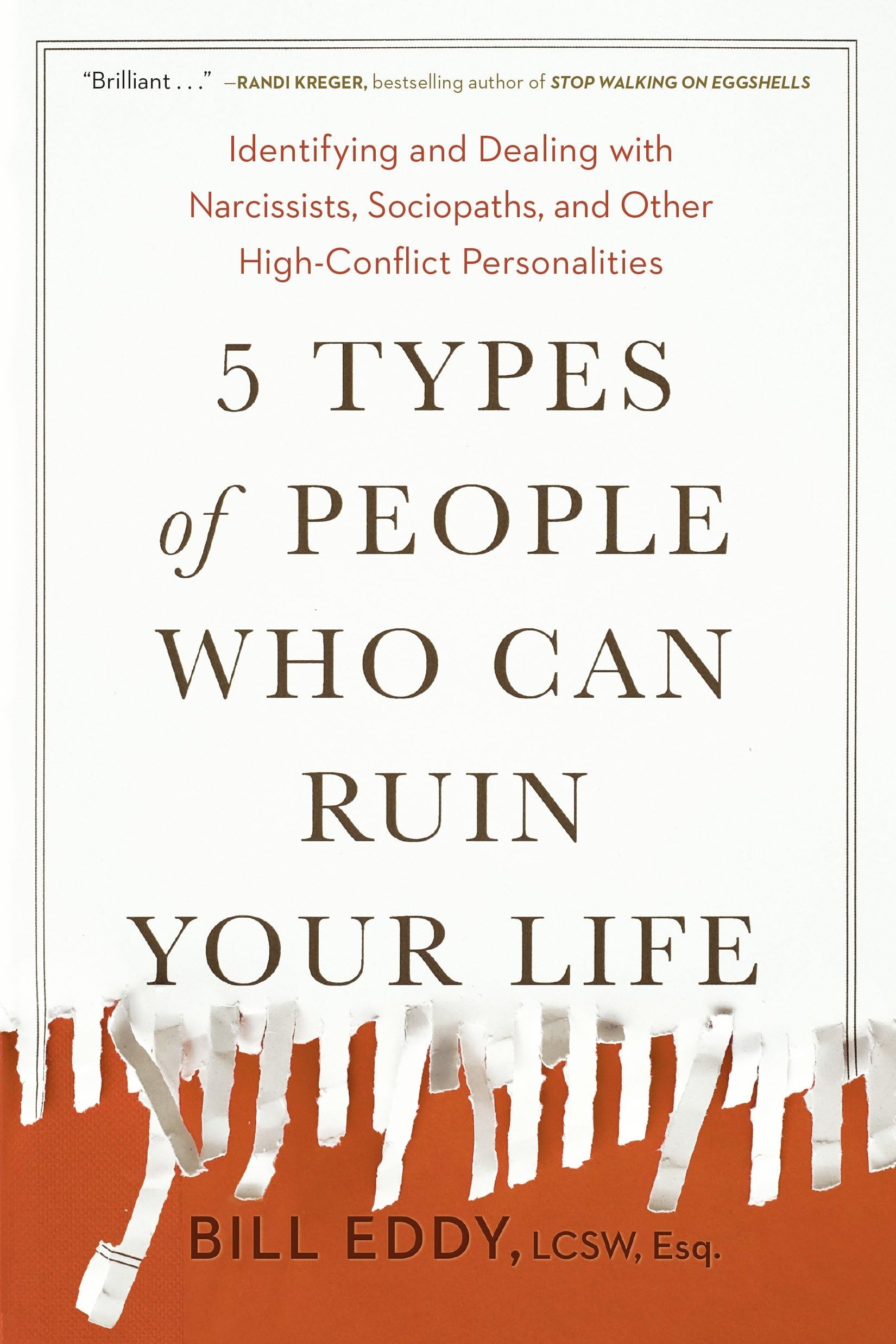
- Spot them early using the WEB MethodSM: watch their Words, check your Emotions, track their Behavior.
- Protect yourself with the CARS MethodSM: stay Calm, Analyze options, Respond wisely, and Set boundaries.
- Avoid becoming their fuel: don’t argue, diagnose, or emotionally react. That’s what they crave.
Your Action Plan:
- Don’t rush into relationships—wait a year before major commitments.
- Trust your gut: if you feel confused, anxious, or blamed too often, step back.
- Build self-awareness: it’s your strongest defense against manipulation—and the only way to avoid becoming part of the problem.
This book isn’t just about protecting your life—it’s about reclaiming your power, peace, and emotional freedom from people who misuse connection as a weapon. Learn to recognize the patterns, stay grounded in facts, and never again lose yourself to someone else’s chaos.
Chapter 1: Why You Need This Knowledge Now
📖 Mini-story recap:
Jen, a hopeful intern, was charmed by a charismatic TV host—until he flipped on her. Tom was blindsided when his wife turned their marriage into a battlefield. Paul, a reformed convict, conned his entire church. Amy’s own mother accused her of causing her father’s death. These aren’t rare horror stories—they’re early warnings.
🧠 Key insight / mindset shift:
Not all people resolve conflict—some fuel it. These people are called high-conflict personalities (HCPs), and they make up about 10% of the population. Learning to spot them could save your sanity—or your life.
✅ Exact instructions:
- Realize that HCPs don’t just have “bad days”—they compulsively escalate conflict.
- They seek Targets of Blame and attack emotionally, financially, legally, or even physically.
- Learn the five types of HCPs:
- Narcissistic
- Borderline
- Antisocial (Sociopathic)
- Paranoid
- Histrionic
🔑 Pointers for action:
- Assume 1 in 10 people may exhibit HCP traits.
- Be skeptical of overly charming people who seem “too good to be true.”
- Know that understanding these patterns is your first line of defense.
Chapter 2: Warning Signs and the 90 Percent Rule
📖 Mini-story recap:
A man wrote a rage-filled email threatening a lawyer. Later, he showed up at mediation—and killed two people. Another woman abandoned her kids for a year, reappeared, then kidnapped them again. These are not “bad days”—they are patterns.
🧠 Key insight / mindset shift:
Behavior is a pattern, not a fluke. High-conflict people follow predictable, destructive scripts. They don’t just argue—they implode relationships, reputations, and peace of mind.
✅ Exact instructions:
Watch for these four red flags of HCPs:
- All-or-nothing thinking (“You’re either with me or against me”)
- Intense/unmanaged emotions (dramatic outbursts, emotional blackmail)
- Extreme behavior or threats (stalking, screaming, false accusations)
- Preoccupation with blaming others (they’re always the victim, never at fault)
Use the 90 Percent Rule: If 90% of people would never behave that way, it’s likely an HCP.
Apply the WEB MethodSM:
- Words: Look for threats, extremes, blame.
- Emotions: How do you feel around them? (Afraid? Manipulated?)
- Behavior: Have they acted in a way most people never would?
🔑 Pointers for action:
- Don’t rationalize red flags. Recognize patterns.
- Trust your gut. Emotions often sense danger before the brain does.
- Wait at least a year before making major commitments (marriage, children, business deals).
Chapter 3: Don’t Become a Target of Blame
📖 Mini-story recap:
Tom married Kara quickly—too quickly. She went from affectionate to furious, from victim to villain overnight. Eventually, he was kicked out, dragged through court, and emotionally devastated.
🧠 Key insight / mindset shift:
Targets of Blame don’t see it coming. HCPs often charm their way into your life, then trap you in cycles of abuse. Prevention is more effective than escape.
✅ Exact instructions:
- Know that HCPs target people close to them or in authority.
- Use Personality Awareness to recognize early red flags before it’s too late.
- Don’t assume someone is safe based on profession, social standing, or appearance.
4 realities about HCPs:
- They exist in all walks of life.
- Their numbers are growing.
- Traditional conflict resolution doesn’t work on them.
- They’re not evil—but their damage is very real.
4 cultural traps that make us vulnerable:
- Lack of history with people we meet
- Weakened community/family filters
- Online deception
- Hollywood myths of sudden redemption
🔑 Pointers for action:
- Be aware of your human biases: trusting charm, over-identifying with your group, self-blame.
- Avoid confrontation or calling someone out as an HCP—it only escalates.
- Sharpen your pattern recognition rather than relying on hope.
Chapter 4: The “I’m Superior, You’re Nothing” Type (Narcissistic HCP)
📖 Mini-story recap:
Imagine a brilliant TV host—charming, magnetic, and seemingly generous. But soon, you’re belittled, manipulated, and discarded like yesterday’s news. One victim shared how admiration turned into anxiety, how praise flipped into public humiliation. It all began with admiration. It ended with emotional trauma.
This is the narcissistic high-conflict personality (HCP): they shine in public and shatter you in private.
🧠 Key insight / mindset shift:
Narcissists rise by making others feel small. They believe they are superior, entitled to special treatment, and are often oblivious—or indifferent—to the damage they cause. Their charm is a mask, and their rage is their weapon.
More than 6% of the population has narcissistic personality disorder (NPD). Not all narcissists are dangerous—but when combined with HCP traits, they become destructive, targeting others with blame, arrogance, and cruelty
.
✅ Exact instructions:
Bill Eddy outlines 3 key traits of narcissistic HCPs:
- Superiority Complex – They believe they’re better than everyone, especially those close to them.
- Entitlement – They think rules don’t apply to them and expect special treatment.
- Lack of Empathy – They can insult or humiliate others—often publicly—without remorse
- .
Two main types of narcissistic HCPs:
- 🔹 Overt narcissist – Loud, proud, and obviously arrogant.
- 🔹 Covert narcissist – Passive-aggressive, charming on the surface, but manipulative underneath.
Use the WEB MethodSM:
- Words – Are they grandiose or cruel? Do they drop names to impress?
- Emotions – Do you feel small, confused, or constantly criticized?
- Behavior – Do they justify bad behavior with status? Do they insult others freely?
🔑 Pointers for action:
- 🚩 Spotting:
- Notice if they expect admiration without earning it.
- Pay attention to how they treat “less powerful” people.
- ❌ Avoiding:
- Don’t get pulled in by flattery or charisma. If it feels “too good to be true,” it often is.
- Avoid challenging their ego—it triggers retaliation.
- 🛠️ Dealing:
- Use short, respectful responses with clear boundaries.
- Don’t seek empathy—they likely don’t have it.
- ✂️ Breaking away:
- Prepare emotionally and legally if needed.
- Seek support from neutral professionals or friends.
- Avoid drama. Exit quietly, and protect your digital and financial privacy.
Chapter 5: The “Love You, Hate You” Type (Borderline HCP)
📖 Mini-story recap:
Tom fell for Kara instantly—her charm, energy, and affection lit up his quiet world. They got married quickly. But soon, Kara’s mood flipped. One day she adored him; the next, she hated him. Eventually, she saw even their baby as a threat. When Tom tried to leave, she beat him to it—filing a restraining order and divorce, falsely accusing him of abuse. He never saw it coming… but the signs were there all along
.
🧠 Key insight / mindset shift:
Borderline HCPs trap you in emotional whiplash. They are masters of intense connection followed by deep rejection. Their behavior isn’t random—it’s rooted in a distorted fear of abandonment and emotional instability.
These individuals suffer from Borderline Personality Disorder (BPD), affecting roughly 6% of the population. Not all with BPD are high-conflict people—but those who are can be extremely harmful when they fixate on you as a Target of Blame
.
✅ Exact instructions:
Bill Eddy identifies two forms of Borderline HCPs:
- Conventional – Seen as warm and emotional in public, unstable and accusatory in private.
- Unconventional – Outwardly successful professionals whose chaotic emotional lives are hidden behind closed doors
- .
Signs to spot them early:
- 🔁 Rapid relationship cycles – From love to rage in days or weeks.
- ❌ All-or-nothing language – “You always let me down!” / “You’re perfect!” (until you’re not).
- 😤 Frequent victim narratives – Their friends, families, coworkers are always the villains… until they’re not.
- 😱 Emotional overdrive – Mood swings, intense reactions, and outbursts that escalate fast.
- 🕵️♀️ Fixation on blame – Once they feel betrayed, you become the villain—often permanently.
Behavior includes:
- Spreading lies and rumors.
- Legal action and restraining orders based on false accusations.
- Distortion campaigns to destroy your reputation
- .
🔑 Pointers for action:
🚩 Spotting:
- Beware of people who become overly intimate too fast.
- Trust patterns over apologies. If you see recurring drama and blame, it’s a warning.
- Use the WEB MethodSM: watch their Words, feel your Emotions, observe their Behavior.
❌ Avoiding:
- Don’t confront them directly or accuse them of having a disorder.
- Go slow in new relationships. Wait a year to make big decisions (marriage, business, parenting).
- Avoid becoming their emotional anchor—don’t get pulled into their crisis cycles.
🛠️ Dealing:
- Keep communication calm, brief, and neutral.
- Don’t argue or try to “fix” their emotions—it will backfire.
- If legally involved (divorce, custody), have solid documentation and professional support.
✂️ Breaking away:
- Plan a safe exit—emotionally, financially, legally.
- Expect a “blame campaign” after separation.
- Block digital access and limit exposure. Don’t expect closure or understanding.
Chapter 6: The “Cruel, Con Artist” Type (Antisocial/Sociopathic HCP)
📖 Mini-story recap:
Imagine a man who seems thoughtful and kind. He tells you he’s a victim of betrayal. He borrows money, wins your trust, and maybe even your heart. Then one day—he disappears. Or worse, he uses everything you shared against you. That’s the con artist sociopath: charming, calculating, and chilling.
The book recounts real-life examples like Ted Bundy, who lured victims with fake vulnerability (a cast, a dropped book) and Bernie Madoff, who defrauded billions with nothing more than trust and a smile
.
🧠 Key insight / mindset shift:
Not all sociopaths are in prison—many are in your workplace, your neighborhood, or even your home. Antisocial personality disorder affects about 3.6% of the population, or over 13 million people in North America
. These people don’t just break rules—they delight in breaking you.
There are two main types:
- Cruel psychopaths: they hurt for pleasure or dominance.
- Con artists: they use manipulation to get what they want and don’t care who gets hurt
- .
✅ Exact instructions:
How to spot an Antisocial HCP:
Red flags:
- 📜 Inconsistent stories – They contradict themselves often. You doubt your memory, not theirs.
- 😢 Victim act – They claim betrayal, abuse, or danger to draw you in.
- 😍 Too charming – They praise you excessively or seem “too perfect.”
- 🎩 Top-secret identity – Claims of working with FBI, CIA, or secretive roles are common.
- 🧠 Gaslighting – They make you question your own sanity or version of events
- .
They often:
- Target helpful, trusting, emotionally generous people.
- Operate in professions with power and little oversight (business, politics, law, sales).
- Appear successful or normal—even well-liked—until you see the mask slip.
Use the WEB MethodSM again:
- Words – Listen for contradictions, excessive charm, or manipulative “victim” language.
- Emotions – If you feel unreasonably obligated, anxious, or unsure around them, that’s a sign.
- Behavior – Fast moves, secretiveness, and control tactics.
🔑 Pointers for action:
🚩 Spotting:
- Be alert to people who move too fast—in business, love, or friendship.
- “Too good to be true” is often a trap.
- Look for urgency plus secrecy: they’ll rush you to help them and ask you not to tell anyone.
❌ Avoiding:
- Don’t share too much, too soon—even with someone charming.
- Avoid anyone who tries to isolate you from your friends or support system.
- Don’t confront them—they will retaliate subtly or escalate dramatically.
🛠️ Dealing:
- Limit contact. Keep interactions brief, factual, and emotionless.
- Protect your money, reputation, and privacy.
- Document everything—emails, texts, verbal conversations.
✂️ Breaking away:
- Plan your exit carefully and do not warn them.
- Enlist help—legal, emotional, and financial.
- Assume they may try to ruin your credibility—prepare accordingly.
Chapter 7: The “Highly Suspicious” Type (Paranoid HCP)
📖 Mini-story recap:
Joe was thrilled to hire Monica, a brilliant new employee. Within months, she claimed she was being harassed, stalked, and sabotaged—without any proof. Then she accused Joe himself of ruining her career. Despite no evidence, the damage was done. Joe’s health and professional life collapsed under the stress. The paranoid HCP had struck again
.
🧠 Key insight / mindset shift:
Paranoid HCPs don’t just fear betrayal—they expect it. They create imaginary threats, twist neutral actions into personal attacks, and often drag others into their chaos through accusation and litigation. They are not merely cautious—they are consumed by suspicion.
While 4.4% of the population may have paranoid personality disorder (PPD), only a fraction become high-conflict personalities (HCPs). But when they do, their paranoia is projected outward—turning you into their next Target of Blame
.
✅ Exact instructions:
Key characteristics of paranoid HCPs:
- 🤔 Extreme distrust – Constant suspicion others are out to harm, cheat, or humiliate them.
- 🧾 Grudge-keeping – Long-term resentment over real or imagined slights.
- 😡 Anger at imagined conspiracies – They believe groups, institutions, or even neighbors are secretly plotting against them.
- 🔁 Blame cycles – They rope others into their belief systems, then turn on them if they question anything
- .
They may target:
- Employers, coworkers, or HR
- Family members or romantic partners
- Neighbors, government agencies, or even strangers online
🔑 Pointers for action:
🚩 Spotting:
- Be alert when someone talks constantly about betrayal, conspiracies, or grudges.
- If they interpret neutral events as hostile, or react with anger to basic questions, that’s a red flag.
- If you’re being recruited to join their “cause” against someone else—step back.
❌ Avoiding:
- Don’t try to “reason them out” of their beliefs—it only reinforces their paranoia.
- Don’t argue, accuse, or try to explain why you disagree—it will make you their enemy.
- Avoid direct conflict or unfiltered honesty—they interpret it as attack
- .
🛠️ Dealing:
- Use the CARS MethodSM: Be Calm, Brief, Informative, and Friendly.
- Set boundaries without appearing threatening.
- Keep communication neutral and documentation ready, especially if the person starts making complaints.
✂️ Breaking away:
- Avoid telling them you’re distancing yourself—they’ll perceive it as betrayal.
- Gradually reduce contact without confrontation.
- In extreme cases, seek legal help and protect your digital and emotional boundaries.
Chapter 8: The “Dramatic, Accusatory” Type (Histrionic HCP)
📖 Mini-story recap:
Amy had just buried her father when her mother, Nadine, lashed out—“You murdered your father!” The day turned into a storm of sobs, blame, and guilt-tripping. Amy had seen this behavior for years—overreactions, tears, sudden health scares, and wild accusations. But now, she realized something deeper: her mother wasn’t just emotional. She was a histrionic high-conflict personality
.
🧠 Key insight / mindset shift:
Histrionic HCPs thrive on attention—at any cost. Their behavior is driven by a fear of being ignored, so they exaggerate, dramatize, and emotionally manipulate others to stay center stage. They aren’t just “emotional people”—they can create serious social and legal damage through their public accusations and distortions.
Though only 1.8% of the population is diagnosed with histrionic personality disorder, many more show the traits—making them more common than you’d expect
.
✅ Exact instructions:
Key traits of Histrionic HCPs:
- 🎭 Craving for attention – Must be the center of the room, conversation, or drama.
- 💬 Exaggerated, vague speech – Stories are dramatic but often short on detail.
- ❤️ Misreading closeness – Believing someone is closer or more devoted than they are.
- 😢 Victim mindset – You are to blame for their helplessness, so they demand you fix it
- .
They will:
- Create public drama about you—whether real or imagined.
- Seek “negative advocates” (others who join their side in attacking you).
- Make emotional pleas that feel real—but may be strategic.
🔑 Pointers for action:
🚩 Spotting:
- Notice if someone always has a dramatic story where they are the victim and someone else is a villain.
- Their words are full of extremes: “always,” “never,” “destroyed,” “betrayed.”
- Their emotions are rapid, intense, and seem to reset quickly.
- They may whisper secrets while broadcasting drama to everyone.
❌ Avoiding:
- Don’t confront or try to “diagnose” them. It backfires badly.
- Avoid becoming their rescuer. Helping too much will entangle you further.
- Don’t allow them to control your time, energy, or reputation.
🛠️ Dealing:
- Keep interactions polite, brief, and neutral.
- Don’t feed into their emotions—remain calm and grounded.
- Document your communications to protect yourself if public accusations arise.
✂️ Breaking away:
- Pull away slowly. Sudden exits may trigger more drama or even public attacks.
- Let mutual contacts know you have a “difficult relationship” (not that they’re an HCP).
- Create emotional boundaries and don’t engage in rehashing or justifying the past.
Chapter 9: Dealing with Negative Advocates (Who May Also Attack You)
📖 Mini-story recap:
Imagine you’re facing accusations from a former partner—an HCP. Suddenly, their friends, family, and even professionals start confronting you. These aren’t just concerned supporters—they’re negative advocates, emotionally recruited to attack you. One case in court even saw six family members shouting at the judge, blindly defending the HCP despite overwhelming evidence
.
🧠 Key insight / mindset shift:
Negative advocates are often well-meaning—but dangerously misled. They absorb the emotional narrative of the HCP and act on it without verifying facts. Instead of helping, they magnify the chaos. They are like enablers of an addict—except the addiction is to conflict.
They may be:
- Family members
- Friends or coworkers
- Clergy, lawyers, or therapists
- Even strangers pulled in through social media or community groups
✅ Exact instructions:
How to recognize a negative advocate:
- Use all-or-nothing language (“You must help them!”)
- Demand urgent action on behalf of the HCP
- Are often more aggressive than the HCP themselves
- Appear credible or influential (e.g., community leader, counselor)
- May confront you without having any firsthand facts
🔁 They may unknowingly:
- Spread rumors
- Sabotage your work or reputation
- File complaints or lawsuits
- Pressure others to turn against you
Strategies to deal with them:
- Use the CARS MethodSM: Be Calm, Brief, Informative, and Friendly
- Share accurate, respectful information (without defensiveness)
- Use BIFF responses (Brief, Informative, Friendly, Firm) to clarify distortions:
“I know you want to help, but the issue she’s raised was resolved last month.”
“That sounds like a good idea in general, but here’s why it may not work in this case…”
Always assume an HCP will have negative advocates. If they show up:
- Stay calm
- Bring a positive advocate (your own calm, credible support person)
- Avoid being outnumbered or ambushed
🔑 Pointers for action:
🚩 Spotting:
- Recognize emotional, one-sided defenders of the HCP
- Listen for overly urgent, vague accusations or dramatic stories
- Be alert if multiple people suddenly “gang up” on you
❌ Avoiding:
- Don’t react emotionally or defensively
- Avoid arguing about facts; focus on calm clarifications
- Never confront negative advocates with anger—it will confirm their fears
🛠️ Dealing:
- Use BIFF and CARS to reframe the situation
- Speak only with those willing to listen to facts
- Involve legal help if needed—some negative advocates may become aggressive
✂️ Breaking away:
- If possible, disengage entirely from hostile advocates
- If you must meet, bring a neutral witness or advocate
- Focus on what’s helpful, not on changing their minds
Chapter 10: Getting Help from Others (Who May Not Understand)
📖 Mini-story recap:
Imagine being attacked, accused, and isolated by someone you trusted—only to find that when you reach out for help, people look at you with suspicion. This is what it’s like to be a Target of Blame. Angelica, a university employee, tried to explain her boss’s toxic behavior, but colleagues didn’t understand. She had to carefully build a case, one piece at a time, before anyone believed her story
.
🧠 Key insight / mindset shift:
You are not alone—and you’re not crazy. When dealing with a high-conflict person (HCP), it’s common to feel isolated, disbelieved, or even blamed yourself. But tens of millions experience this. The key is learning how to talk about it, who to talk to, and how to protect your own credibility.
Many people don’t understand HCP patterns. Some will minimize your pain, say you’re overreacting, or take the HCP’s side. But that doesn’t mean you’re wrong. It means you need to frame your story the right way
.
✅ Exact instructions:
How to get support that actually helps:
🔎 Step 1: Find the right people
- ✅ Counselors: Look for therapists trained in personality disorders, especially those using DBT or CBT. Ask them:
- Have you worked with clients dealing with borderline, narcissistic, or histrionic individuals?
- Have you helped someone being targeted by such a person?
- Are you open to reading material or consulting other professionals?
- ✅ Lawyers: Interview multiple ones. Choose someone who understands high-conflict divorce, custody battles, or harassment cases.
- ✅ Friends and family: Educate them. Set clear boundaries so they support you without becoming overzealous or emotional advocates
- .
🧠 Step 2: Use the “Three 3’s” Method
When explaining your case to others:
- Share 3 patterns of problematic behavior.
- Give 3 examples for each pattern.
- Present 3 potential interpretations of the conflict (yours, theirs, and a neutral one)
- .
💬 Step 3: Talk about patterns—not diagnoses
- Avoid saying “They’re a narcissist” or “a borderline.”
- Instead, say:
“I’ve noticed some recurring behavior patterns that are causing me serious problems. Let me give you a few examples…”
🛡️ Step 4: Protect yourself from misunderstanding
- Not everyone will get it. Some may defend the HCP.
- Don’t waste energy convincing people who don’t want to understand.
- Focus your energy on those open to hearing clear, respectful information
- .
🔑 Pointers for action:
🚩 Spotting:
- Be cautious of “helpers” who are emotionally reactive, disbelieving, or dismissive.
- Look for people who listen carefully and are open to learning.
❌ Avoiding:
- Don’t argue with people who think you’re the problem.
- Avoid labeling your experience too early with psychological terms.
🛠️ Dealing:
- Frame the HCP’s behavior in specific, repeated actions, not emotions.
- Use short examples and stay calm.
- Give people the tools (books, websites, articles) to understand more if they’re interested.
✂️ Breaking away (emotionally):
- If someone refuses to understand, don’t keep explaining. Let them go.
- Find and build your support network—it may not be who you expected.
Chapter 11: The HCP Theory
📖 Mini-story recap:
Bill Eddy reflects on the countless people who’ve asked him: “Why do these high-conflict people exist?” and “Why do they seem to be increasing?” He offers his own theory—a combination of evolution, brain function, and modern culture. Just like a virus adapts, so too does high-conflict behavior in society. This chapter explains why HCPs emerge and spread, especially in chaotic, media-driven times
.
🧠 Key insight / mindset shift:
HCPs may be “wired” for war—but we’re living in peace. The traits that make high-conflict people dangerous today—extreme reactions, blame, manipulation—may have been useful in ancient times when survival depended on fight-or-flight responses. Now, however, these traits wreak havoc in modern relationships, workplaces, and courts.
Eddy believes HCPs are not born evil but are products of:
- Brain wiring (biological predispositions)
- Chaotic upbringing or trauma
- Exposure to a “high-conflict culture” that rewards drama and blame
✅ Exact instructions:
🧠 Understand the brain behind the behavior:
- Right Brain = Relationship Brain – Fast, emotional, reactive, survival-based (think fight-or-flight). Dominates during crisis.
- Left Brain = Logical Brain – Slow, analytical, problem-solving. Dominates during calm, reflective thinking.
In healthy people, these two systems work together—but in HCPs, the right brain tends to dominate, especially under stress. This leads to:
- Overreacting to perceived threats
- Misreading emotional cues
- Lashing out impulsively
🌍 Cultural influences:
- The media glorifies conflict—think reality TV, outrage-driven news, viral callouts.
- Social media teaches emotional overreaction and superficial relationships.
- Children raised in this environment may develop rigid high-conflict personalities over time.
🧬 Social DNA & personality awareness:
- Personality awareness must become a form of social survival.
- Just as we protect ourselves from viruses, we must also protect ourselves from toxic behavior patterns by learning how to spot them.
🔑 Pointers for action:
🚩 Spotting (The “Why”):
- Recognize that HCPs are not random—they are a mix of biology, trauma, and environment.
- Realize that their behavior may once have been useful in extreme environments—but is now destructive in stable societies.
❌ Avoiding:
- Don’t expect HCPs to respond to logic or empathy—they often can’t access those parts of their brain under stress.
- Avoid “diagnosing” them—focus on recognizing patterns and managing behavior instead.
🛠️ Dealing:
- Strengthen your own self-awareness and empathy.
- Use your Logical Brain during conflict to pause, plan, and protect.
- Be a model of stability in an unstable world.
🧱 Building immunity:
- Build resilience to media-fueled outrage and manipulation.
- Practice personality awareness with empathy—not judgment.
- Teach others to recognize HCP patterns early.
Chapter 12: Self-Awareness
📖 Mini-story recap:
In his law school lectures, Bill Eddy once asked his students to define the single most important difference between high-conflict people (HCPs) and everyone else. After discussion, the word was clear: self-awareness. This chapter shows how this simple trait not only protects you from HCPs—but also helps ensure you don’t become one yourself
.
🧠 Key insight / mindset shift:
Self-awareness is your emotional immune system. HCPs lack it. That’s why they repeat destructive patterns and never take responsibility. But if you can monitor your behavior, reflect, and adjust, you can navigate even the most toxic situations—and build thriving relationships.
Eddy urges us not only to recognize others’ patterns, but to monitor our own. Everyone feels superior sometimes, gets angry, or feels suspicious. The danger is when we get stuck in those patterns and stop questioning ourselves
.
✅ Exact instructions:
👁️🗨️ Two kinds of self-awareness to master:
- Self-awareness that helps you spot HCPs – using the WEB MethodSM.
- Self-awareness that helps refine your own personality – growing from your experiences and correcting your behavior when needed
- .
🤔 Ask yourself regularly:
- “What did I do to get that response?”
- “What can I do differently next time?”
- “Am I acting in a rigid, extreme, or blaming way?”
🌪️ Know the self-destructive loops of each HCP type:
- Borderline: Fears abandonment → behaves in ways that push people away.
- Narcissistic: Fears disrespect → acts arrogant, gets disrespected.
- Antisocial: Fears domination → dominates others, invites punishment.
- Paranoid: Fears betrayal → accuses others, drives them away.
- Histrionic: Fears being ignored → overdramatizes, gets avoided
- .
💡 Personality awareness is a learned skill:
- Look for patterns, not isolated events.
- Use the WEB Method:
- Words (extreme, blaming language)
- Emotions (yours and theirs)
- Behavior (unusual, manipulative, or aggressive)
🛡️ Avoid falling into “over-responses” when engaging with HCPs:
- Overflattering → narcissists
- Overhelping → antisocials
- Overcaring → borderlines
- Overengaging → paranoids
- Overattending → histrionics
These feel good at first—but will trap you later
.
🔑 Pointers for action:
✅ Daily reflection:
- Journal your emotional triggers and behavior patterns.
- After conflict, ask: “Was my response helpful or harmful?”
❌ Don’t do this:
- Don’t label others unless necessary. Label behaviors, not people.
- Don’t assume you’re immune to HCP tendencies. Anyone under stress can act out.
🛠️ Dealing with HCPs using CARS:
- Connect with empathy and respect.
- Analyze options without reacting emotionally.
- Respond calmly and accurately to false accusations.
- Set limits clearly and firmly
- .
🌱 Final takeaway:
We all have the capacity for change, empathy, and growth. By practicing personality awareness and deepening self-awareness, we not only protect ourselves—we help create a more compassionate, emotionally intelligent society.
About Author